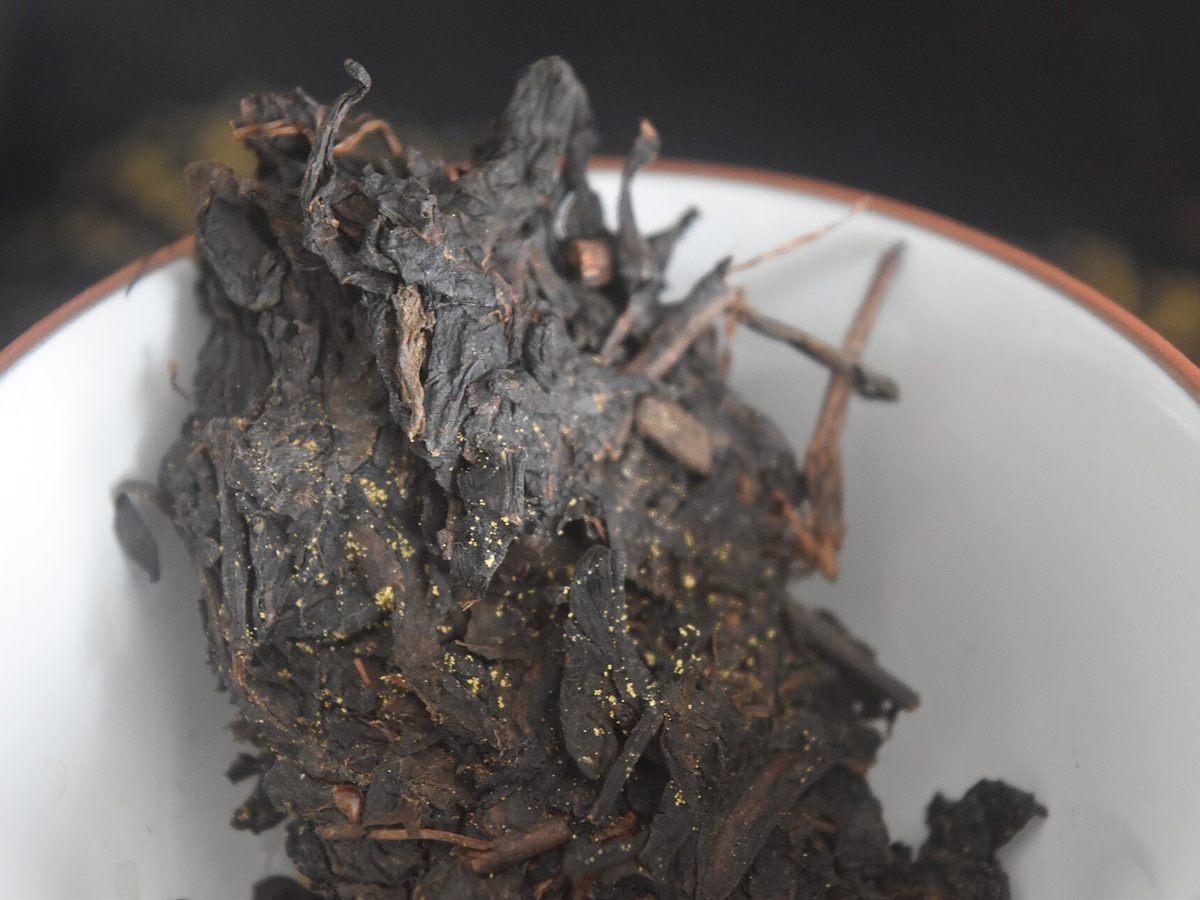
Botanical Dossier
Sheng Pu-erh vs Shu Pu-erh
Sheng Pu-erh
Pu-erh · China
Earthy · Woody · Fruity
Shu Pu-erh
Pu-erh · China
Earthy · Smooth · Woody
| Attribute | Sheng Pu-erh | Shu Pu-erh |
|---|---|---|
| Type | Pu-erh | Pu-erh |
| Origin | China | China |
| Region | Yunnan | Yunnan |
| Flavor | Earthy · Woody · Fruity | Earthy · Smooth · Woody |
| Body | Medium | Strong |
| Caffeine | Medium (~30–70 mg) | Medium (~30–60 mg) |
| Oxidation | Low | High |
| Roast | None | Medium |
| Brewing temp | 95–100°C | 95–100°C |
| Steep time | 0.5–1 min | 0.5–1 min |
| Re-steep | 6–10 times | 6–10 times |
Sensory Dissection
Flavor
Sheng Pu-erh
Sheng (raw) pu-erh is pressed from sun-dried Yunnan leaves and meant to age. Young sheng is bright, bitter, and intensely aromatic with floral and stone-fruit edges; with years it darkens into camphor, wood, and dried-apricot depth with a cooling finish. The transformation over decades is what makes sheng one of the most collectible teas in the world.
Shu Pu-erh
Shu (ripe) pu-erh shortcuts aging through a controlled pile-fermentation developed in the 1970s. The result is dark, thick, and smooth: forest floor, dates, and dark wood with a natural molasses sweetness and very little bitterness. It brews many infusions and is gentle on the stomach, which makes it a daily tea across southern China and Hong Kong.
Preparation Protocol
Brewing
Sheng Pu-erh
- Water temperature
- 95–100°C
- Leaf to water
- 5g / 250ml
- Steep time
- 0.5–1 min
- Re-steep
- 6–10 times
Shu Pu-erh
- Water temperature
- 95–100°C
- Leaf to water
- 5g / 250ml
- Steep time
- 0.5–1 min
- Re-steep
- 6–10 times
Biochemistry
Caffeine
Sheng Pu-erh
Medium caffeine — roughly 30–70 mg per brewed serving
A moderate, steady lift without an intense spike.
Shu Pu-erh
Medium caffeine — roughly 30–60 mg per brewed serving
A moderate, steady lift without an intense spike.
Craft & Microclimate
Origin
Sheng Pu-erh
China · Yunnan
Sheng pu-erh is produced across Yunnan; Xishuangbanna and Lincang are core regions.
Shu Pu-erh
China · Yunnan
Ripe pu-erh was invented in Yunnan to mimic the taste of long-aged raw pu-erh.
Curator's Recommendation
Which one might you prefer?
There is no superior tea here — only distinct sensory journeys. Use your flavor memory and current mood to choose.
Choose Sheng Pu-erh if you like:
- Earthy
- Woody
- Fruity
Choose Shu Pu-erh if you like:
- Earthy
- Smooth
- Woody
Keep Exploring
Related teas to explore
Similar teas from both sides of this comparison.