Da Hong Pao Tea
Big Red Robe
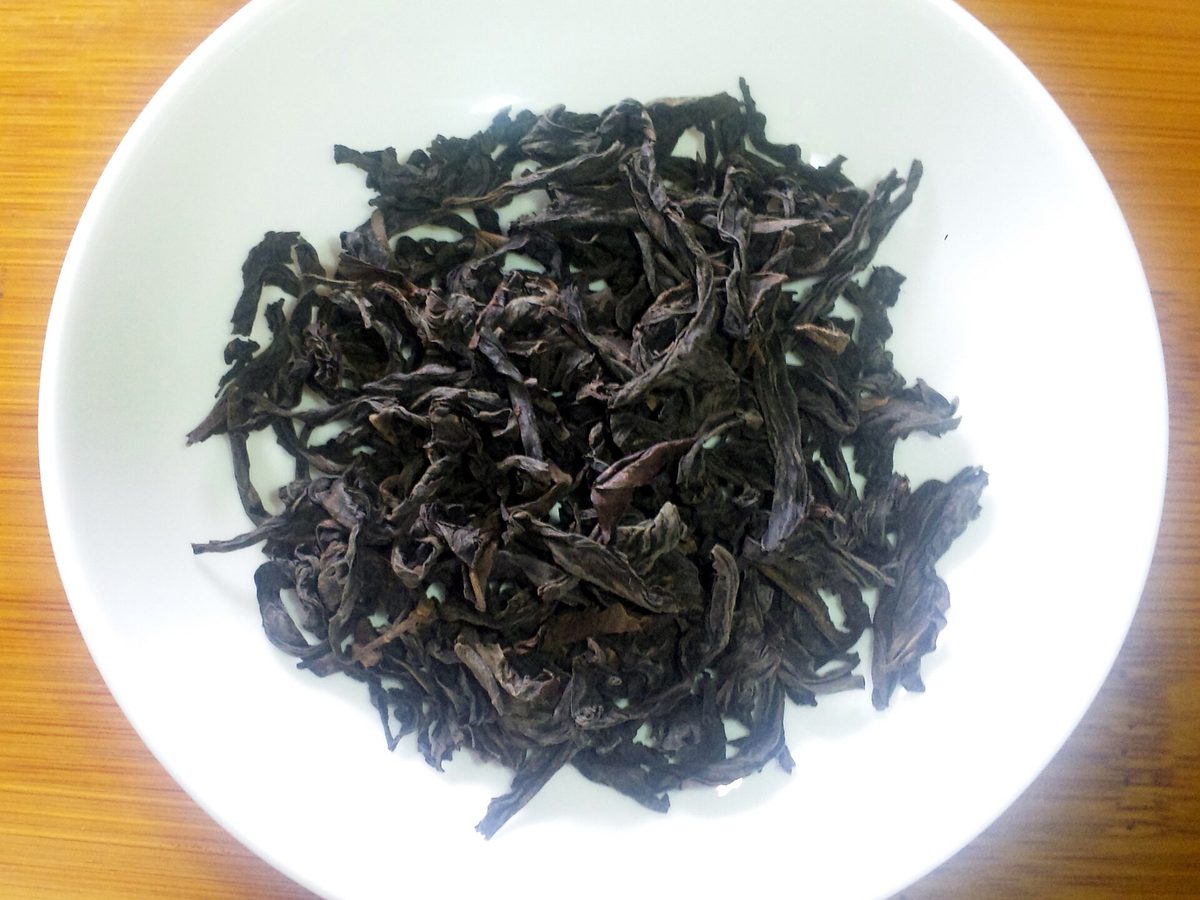
Da Hong Pao is the most famous of the Wuyi 'rock teas' (yancha), grown on mineral-rich cliffs and traditionally charcoal-roasted.
Flavor Profile
What does Da Hong Pao taste like?
Da Hong Pao is the most famous of the Wuyi 'rock teas' (yancha), grown on mineral-rich cliffs and traditionally charcoal-roasted. The cup is deep and layered: roasted stone fruit, dark mineral, and a warm cacao-like finish with a distinctive 'yanyun' rock rhyme minerality. It is bold yet smooth, and resteeps many times with evolving character.
Bar length reflects the relative prominence of each flavor note (dominant first), not a laboratory measurement.
Origin
Fujian (Wuyi), China
The original Da Hong Pao bushes grow in the Wuyi mountains of northern Fujian.
The birthplace of tea, producing every major tea style from green to dark.
Brewing Guide
How to Brew Da Hong Pao
Brewing parameters are a starting point and can be adjusted to taste.
Caffeine
Caffeine in Da Hong Pao
Typical brewed serving
Da Hong Pao is a medium-caffeine oolong tea. A typical brewed serving contains about 30–50 mg of caffeine.
Values can vary depending on quantity, brewing time, serving size, and preparation method.
Keep Exploring
If you like Da Hong Pao
Side by Side
Want to see how Da Hong Pao compares?
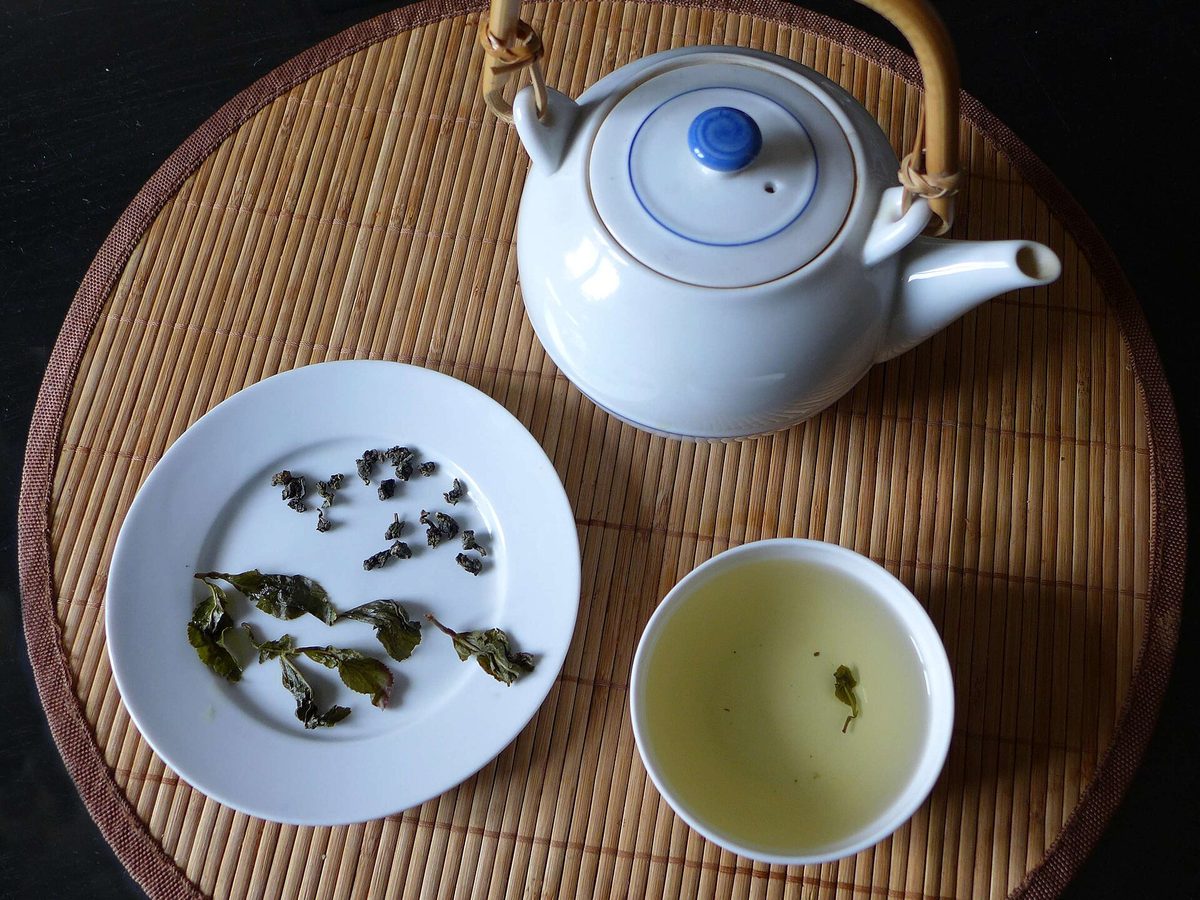
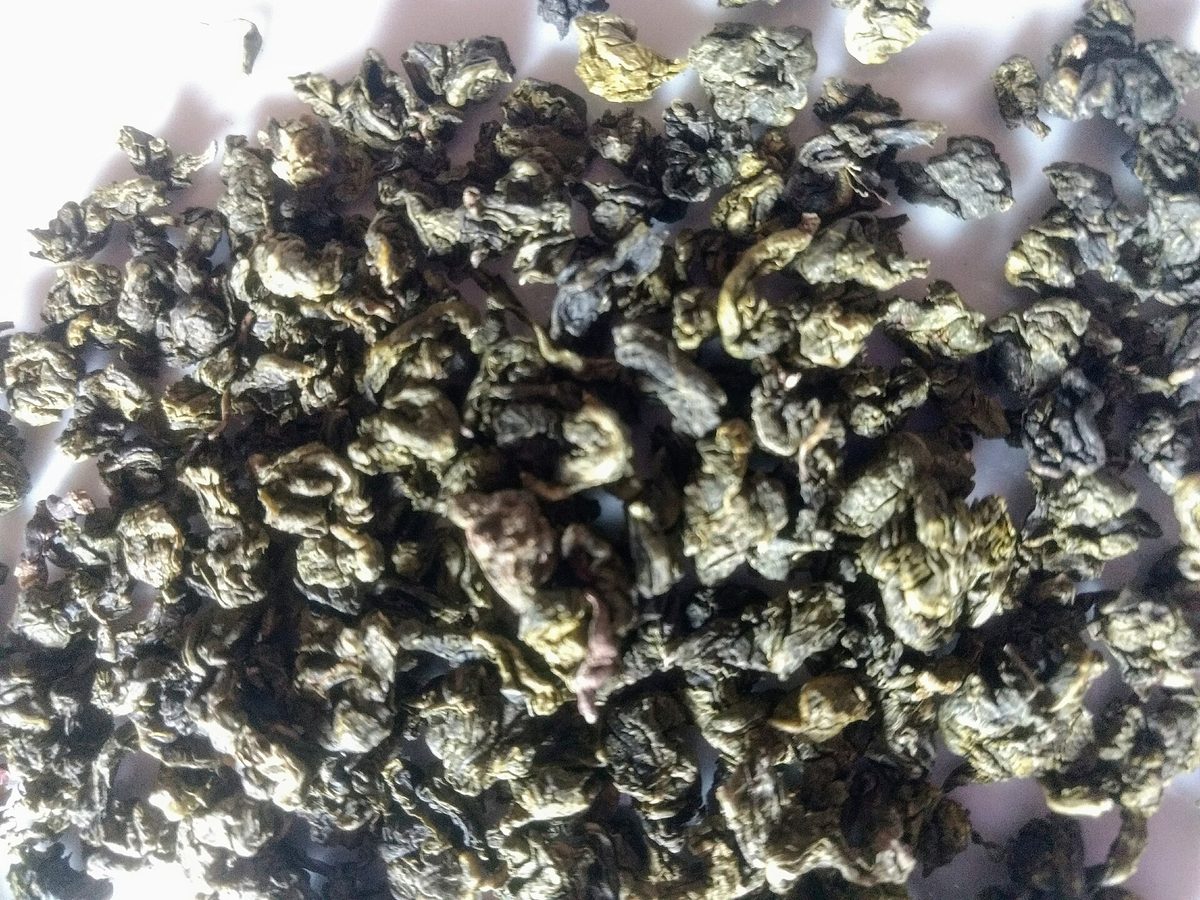
Put Da Hong Pao next to Tie Guan Yin and compare flavor, origin, caffeine, and brewing side by side.
FAQ
Da Hong Pao Tea FAQ
Quick answers about Da Hong Pao tea, drawn from its flavor, origin, caffeine, and brewing profile.
What is Da Hong Pao tea?
Da Hong Pao is the most famous of the Wuyi 'rock teas' (yancha), grown on mineral-rich cliffs and traditionally charcoal-roasted. It is also known as Big Red Robe.
Does Da Hong Pao tea have caffeine?
Yes. Da Hong Pao is a medium-caffeine tea, typically 30–50 mg per brewed serving.
What does Da Hong Pao tea taste like?
Da Hong Pao is known for a profile led by Roasted, Mineral, and Fruity, with a strong body.
How do you brew Da Hong Pao tea?
Use about 3 g of tea per 250 ml of water at 95–100°C, steeping for 1–2 minutes. It can be re-steeped 4–6 times.
Is Da Hong Pao tea bitter?
Bitterness is not a defining note of Da Hong Pao; its profile centers on Roasted, Mineral, and Fruity.