Darjeeling Tea
Darjeeling grows high in the Himalayan foothills and is often called the 'champagne of teas.' First flush (spring) lots are light, bright, and floral with a distinctive muscatel grape note; second flush adds ripe fruit and spice.
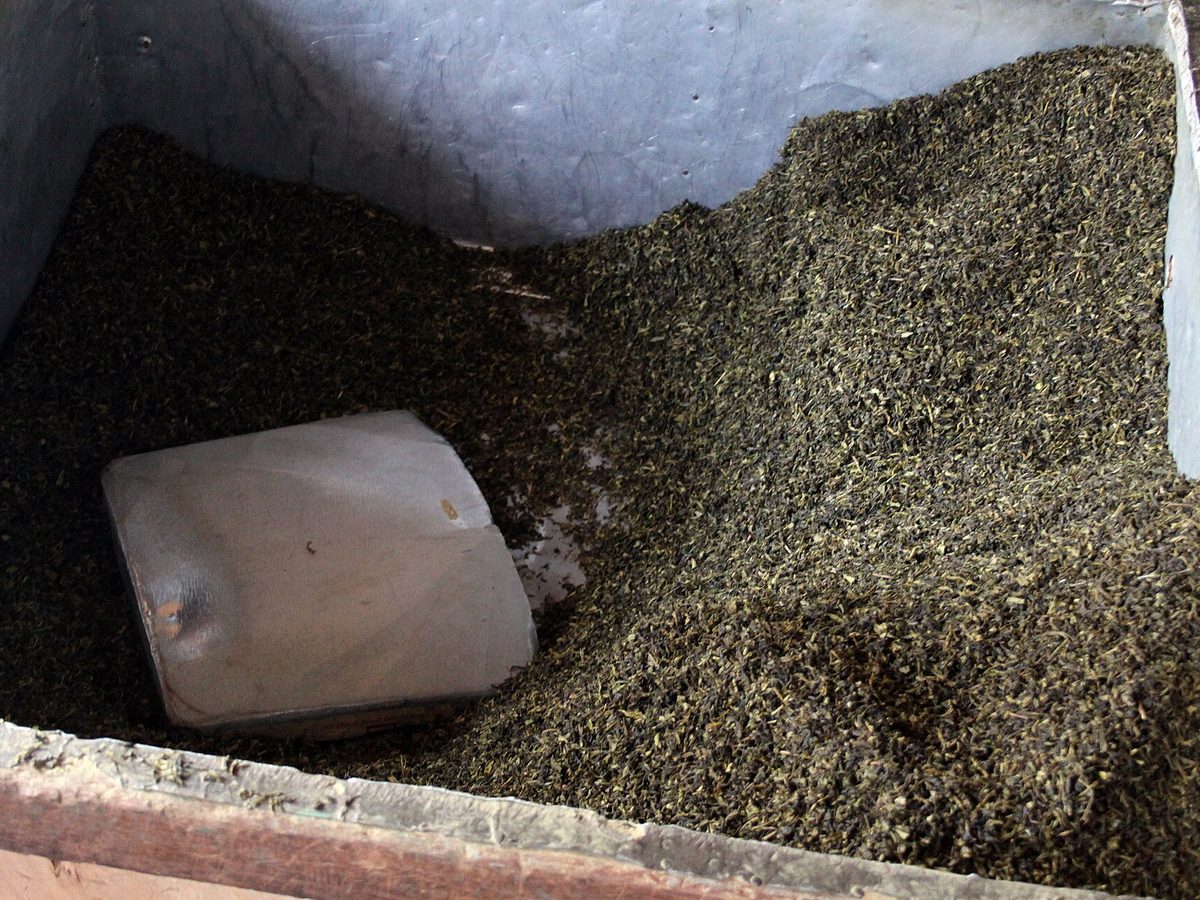
Flavor Profile
What does Darjeeling taste like?
Darjeeling grows high in the Himalayan foothills and is often called the 'champagne of teas.' First flush (spring) lots are light, bright, and floral with a distinctive muscatel grape note; second flush adds ripe fruit and spice. The body is lighter than Assam, with a brisk, clean finish. It is best enjoyed without milk to appreciate its aroma.
Bar length reflects the relative prominence of each flavor note (dominant first), not a laboratory measurement.
Origin
West Bengal, India
Darjeeling's gardens sit at 600–2,000 meters in the Indian Himalayas.
Home of Assam and Darjeeling, two of the world's most famous black teas.
Brewing Guide
How to Brew Darjeeling
Brewing parameters are a starting point and can be adjusted to taste.
Caffeine
Caffeine in Darjeeling
Typical brewed serving
Darjeeling is a medium-caffeine black tea. A typical brewed serving contains about 30–60 mg of caffeine.
Values can vary depending on quantity, brewing time, serving size, and preparation method.
Keep Exploring
If you like Darjeeling
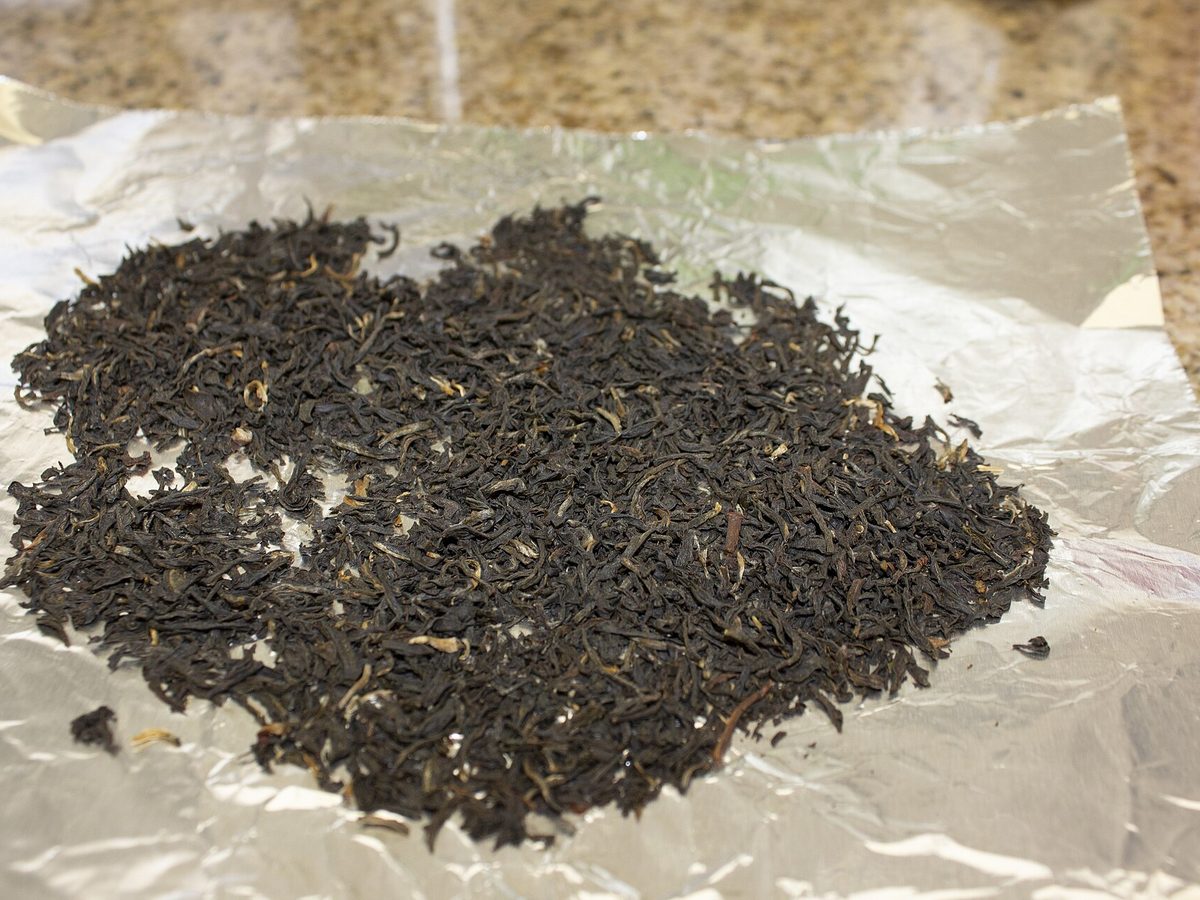
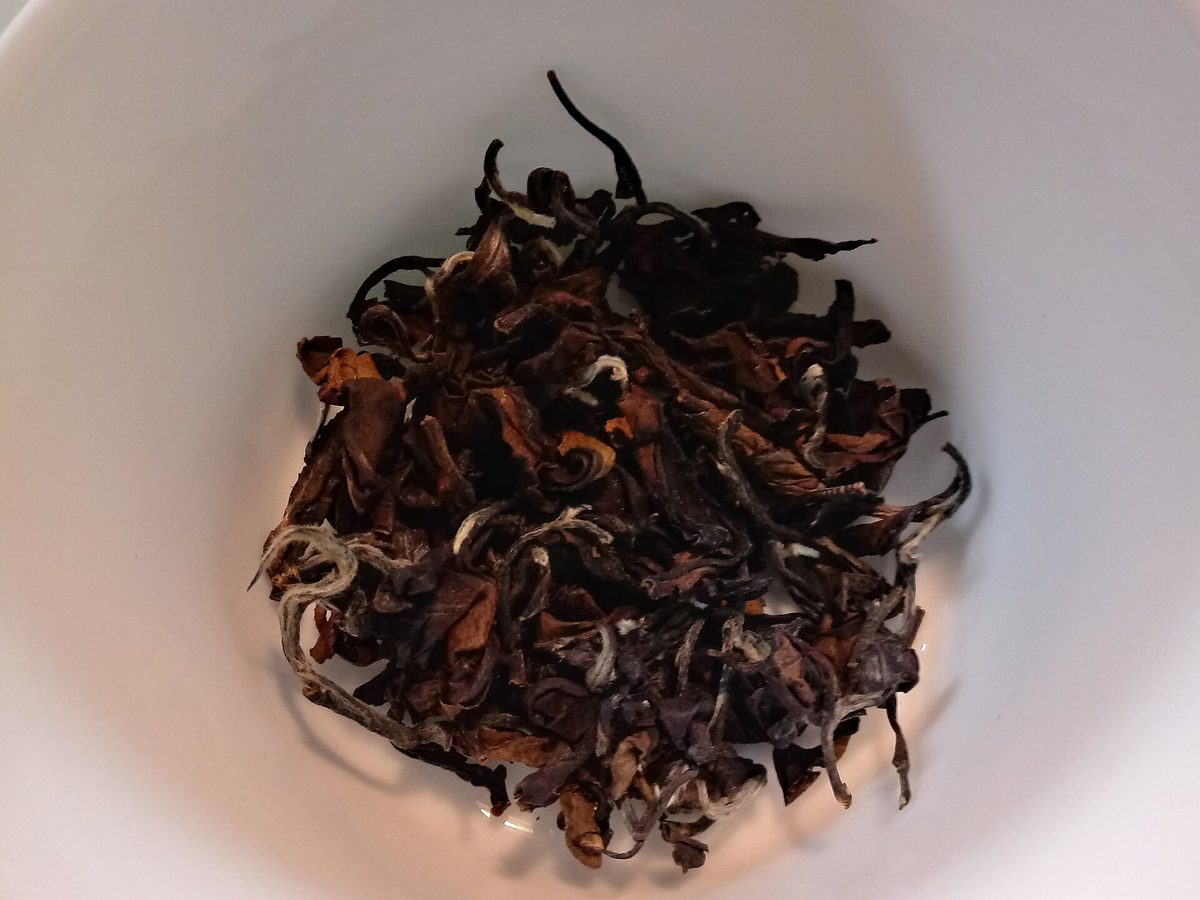
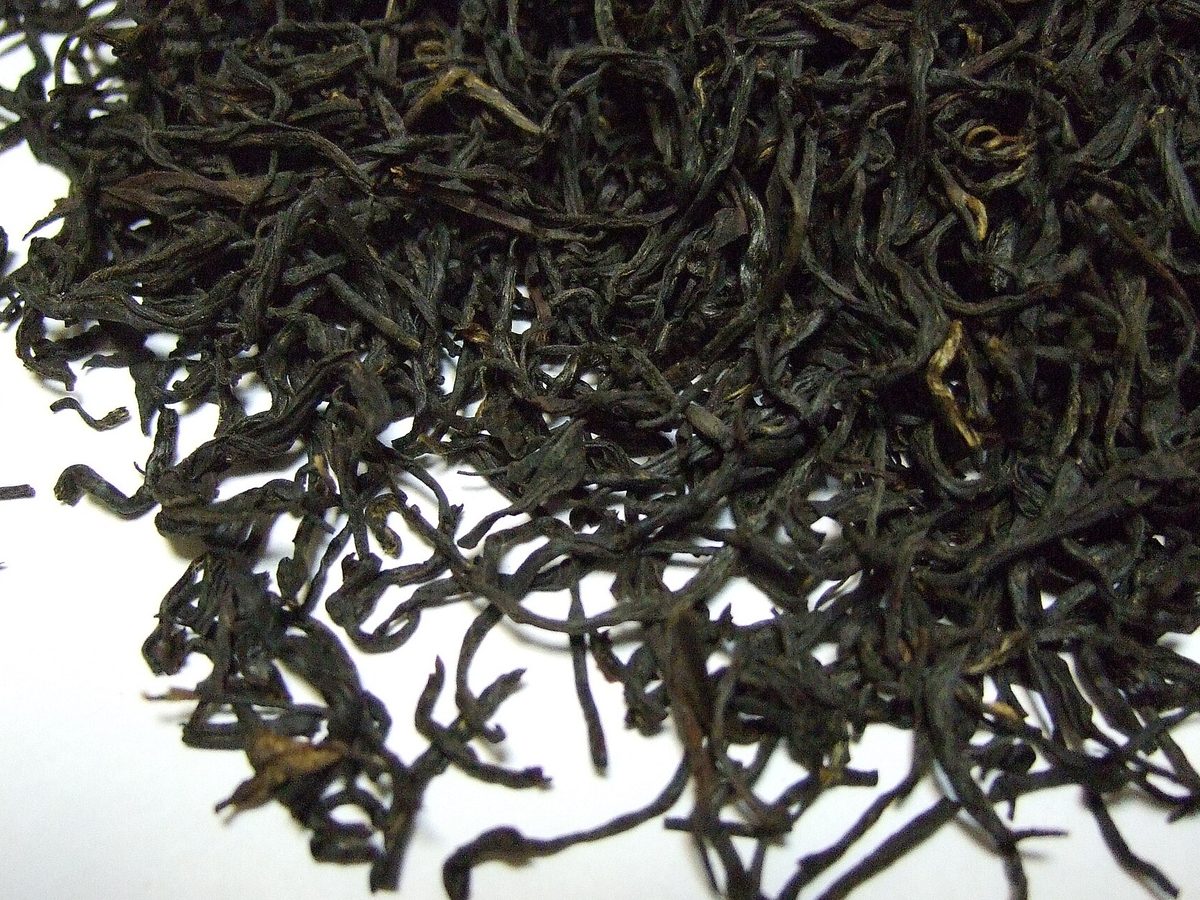
Side by Side
Want to see how Darjeeling compares?
Put Darjeeling next to Assam and compare flavor, origin, caffeine, and brewing side by side.
FAQ
Darjeeling Tea FAQ
Quick answers about Darjeeling tea, drawn from its flavor, origin, caffeine, and brewing profile.
What is Darjeeling tea?
Darjeeling grows high in the Himalayan foothills and is often called the 'champagne of teas.' First flush (spring) lots are light, bright, and floral with a distinctive muscatel grape note; second flush adds ripe fruit and spice.
Does Darjeeling tea have caffeine?
Yes. Darjeeling is a medium-caffeine tea, typically 30–60 mg per brewed serving.
What does Darjeeling tea taste like?
Darjeeling is known for a profile led by Fruity, Floral, and Fresh, with a light body.
How do you brew Darjeeling tea?
Use about 3 g of tea per 250 ml of water at 85–90°C, steeping for 2–3 minutes. It can be re-steeped 1–2 times.
Is Darjeeling tea bitter?
Bitterness is not a defining note of Darjeeling; its profile centers on Fruity, Floral, and Fresh.